
California Opioid Detox Program
You Don’t Have to Face Opioid Addiction Alone
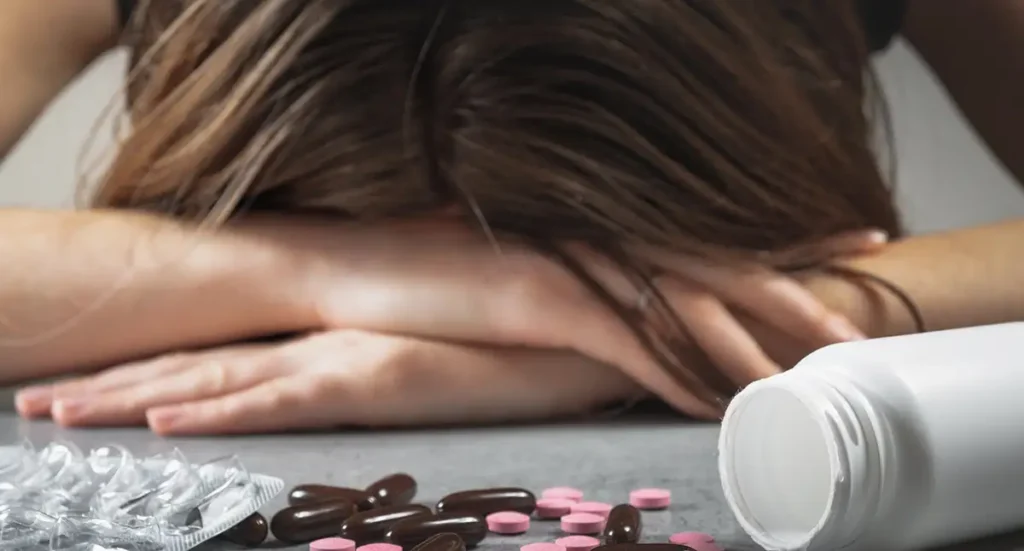
This often happens when people gain access to opioids through illegal means or take these prescription drugs outside of the terms of their prescription. This can lead to a serious and long-term addiction that you cannot recover from alone.
That is where we come in. At The Sober Source, we have plenty of experience in treating opioid addictions. We understand that the idea of getting through this tough recovery journey can seem near-impossible, but we are here to tell you that it is definitely not. With our opioid detox program, you can get through the worst of the opioid withdrawal symptoms and come out the other side ready for a life of freedom. You don’t have to let these drugs control your life.
Ready to Learn More?
Confidential help is available 24/7. Speak directly to our admissions team, verify your insurance, or request a callback—today.
Are you worried about what will happen if you choose our opioid detox program? That is understandable. Making any significant change, especially when you are in the grips of a substance use disorder, can be frightening. We are here to make the addiction recovery journey as crystal clear as we can, so here’s what to expect from us and our incredible team of medical professionals.
Medical Supervision
The last thing you need when going through the opioid detox process is to be alone. That is never the case when you are in our care. We take the detoxification process seriously, and you’ll receive 24/7 medical supervision during that time. Our team has the skills and know-how to treat any symptoms that may arise and will provide medications to lessen those symptoms so you can get through the process as comfortably as possible. You will always be safe when with us.
A Comfortable Setting
When going through the opioid detox process, you want to be in the most comfortable setting possible. After all, your body will be going through unpleasant symptoms, so it makes sense to ensure everything else creates a relaxing environment. At our opioid detox program in California, expect a comfortable bed with privacy, access to your own bathroom, and enjoyable décor. It’s a place you can fully settle into.
Medication Assisted Treatment
When you go through our opioid detox program, our healthcare team will provide medication assisted treatment to minimize discomfort. Some of these medications, such as buprenorphine, can actually shorten the length of time you experience the detoxification process. You may also be prescribed weaker painkiller medications to slowly get you off the drugs without triggering harsh opioid withdrawal symptoms. It is all tailored to you and what your body needs.
Expert Medical Staff
When going through an opioid detox program, you want to know that the people handling your care are highly trained. That’s what we provide here at The Sober Source. Our incredible team is made up of expert therapists, nurses, and doctors, and all are 100% committed to helping patients recover as comfortably as possible.
Mental Health Treatment
We do not only treat your opioid addiction when in our care – we also provide mental health treatment. We understand that there is a significant crossover between opioid addiction and mental health disorders. You can rest assured that we will take your particular condition into account when devising a tailored plan for your opioid detox program.
A Range of Therapies
When you choose our care, you will undergo a range of therapies to set you up for a better chance of success and recovery in a supportive environment.
-
Group Therapy
ThYou will not be wholly alone when you are detoxing. You will also have the opportunity to attend group therapy sessions. In these sessions, each person will have the chance to talk through their opioid addiction and work toward their individual aims. Each individual will be able to connect with the others in the group to create a platform of mutual support. Anything that is said within this group is confidential and the therapy space is a safe and non-judgmental environment where positivity and hope are fostered and where people from all walks of life come together. -
Individual Therapy
You will also receive individual therapy, where you will talk to a therapist one on one. As part of this solo therapy, you will get the opportunity to receive dialectical behavior therapy. This is an element of CBT and can rework your emotional reactions and thought patterns. This will allow you to better cope with what life throws at you without returning to an opioid dependency.
Ongoing Care
Once you are through the detox and the worst of the opioid withdrawal symptoms are behind you, we will set up aftercare for you. That might involve spending time in a residential treatment program with us, or it might mean setting up outpatient care. It is all tailored to you and your recovery journey. Rest assured that you are not alone at any stage, and we will do everything we can to ensure you stay clean from opioids.

About Opioid Addictions
Natural Opioids (such as morphine)
Semi-Synthetic Opioids (such as oxycodone)
Synthetic Opioids (such as fentanyl)
Many opioids are legal when prescribed by a doctor. However, others, such as heroin, are 100% illegal and can lead to legal consequences.
While opioids are effective for treating pain, especially in cases of severe pain like recovering from major surgery, they can also be harmful and lead to opioid dependence and addiction. They are addictive because of the pleasurable effects they give the user, which trigger the brain’s reward system, causing the individual to want to continuously take opioids.
Being addicted to opioids is no indication of weakness or a lack of strength, or motivation. It’s a serious illness that requires medical intervention.
If you need help now finding an opiod drug rehab in California, call us now for a confidential consultation: 855-473-2087.
The Most Common Opioid Addictions
It is important to note that there is a potential for substance abuse with any opioid, whether from prescription opioids or otherwise. Here, we’ll go into some of the most common opioid addictions.
-
Fentanyl
Fentanyl is a potent synthetic opioid that is 100 times more potent than morphine and other prescription painkillers. This makes it extremely deadly, with even low doses having the potential for overdose and fatal side effects, as well as the most common withdrawal symptoms. In most cases, the overdose deaths that you hear about are due to drugs such as fentanyl and other synthetic opioids. Unfortunately, the use of fentanyl and other substances has increased in California and the rest of the United States in the last five years by over 2100%. This could be due to social changes, such as the COVID-19 pandemic, when everyone had to remain in isolation, since this had a knock-on effect on people's mental health and led to an increase in diagnosable mental health conditions. In some cases, fentanyl might become an addiction without you realizing it, leading you to an increased risk of fentanyl addiction or even a drug overdose. If you believe that you have a fentanyl addiction, you must seek the aid of medical professionals immediately. -
Heroin
Heroin is an illegal opioid that even doctors cannot prescribe. This drug is derived from morphine but is more potent, leading to more serious risks. One of the biggest dangers associated with heroin use is the fact that it is only sold on the streets, which means people don’t actually know the potency or what it is laced with. This means the people are far more likely to overdose on heroin, as they might not know the strength of the substance they are taking. Heroin use is prevalent in the United States, too, with over a million people addicted to it. If you think you or someone you know has a heroin addiction, seeking medication assisted treatment is key to detoxing and overcoming the problem. Remember, there is no shame in drug addiction, even if they are illegal drugs. It’s always better to admit to a problem sooner rather than later. -
Morphine
Morphine is a prescription painkiller used to treat severe pain. It’s often used in palliative care, when a person is near the end of their life and needs strong pain relief. It can also be prescribed to cancer patients, those recovering from major trauma or surgery, and chronic pain. Unfortunately, there is a serious potential for abuse with morphine, with individuals becoming addicted to it because of the pleasurable effects. While it is only illegal via a prescription, there are some drug dealers who sell morphine and other opioids to people. -
Oxycodone
Oxycodone is a semi-synthetic opioid that is used in medical settings to treat either moderate or severe pain. It is an ingredient in Percocet, which contains both oxycodone and paracetamol. Like many other opioids, there is a high potential for abuse and people often develop a high tolerance for oxycodone over time. If someone abuses Percocet for the pain-relieving benefits, they also experience health risks from the paracetamol as well as the opioid. Of course, there are other highly addictive opioids, including: Tramadol Methadone Hydrocodone Meperidine If you have an addiction to any of these, it is known as opioid use disorder, and it is imperative that you seek treatment sooner rather than later to ensure your safety.
Why Are Opioids So Hard to Stop?
Many people who are addicted to opioids struggle to come off the substances due to opioid withdrawal symptoms, which can start only a few hours after you stop taking opioid products. They might have intense cravings, muscle aches, a loss of concentration, spells of dizziness, and a lot of fatigue, as well as struggles to sleep.
These withdrawal symptoms happen because your brain chemistry is now altered and your brain will act as if it needs opioids to function appropriately. This causes the onset of symptoms as your body tries to encourage you to take more.
In some cases, these disturbances may be so intense that they are drawn back to taking opioids.
What Are the Signs of Opioid Abuse?
Are you worried that you or someone you know needs medication assisted treatment for an opioid addiction? These are the signs to watch out for.
Physical Signs of Opioid Abuse:
- Drowsiness
- Small Pupils
- Poor Hygiene
- Sudden Weight Los
- Experiencing Withdrawal Symptoms
Behavioral Signs of Opioid Use:
- Withdrawing from Loved Ones
- Being More Secretive (especially about drug use)
- Spending a Lot of Time and Energy Obtaining Opioids
- Experiencing Financial Difficulties
- Continuing to Take Opioids Despite Knowing the Risks
Opioid Withdrawal Symptoms
It can be hard to reach out to an opioid detox program, as it means putting yourself through the unpleasantness of opioid withdrawal symptoms. Here are some of the symptoms individuals go through.
- Anxiety
- Restlessness
- Muscle Aches and Pains
- A runny nose
- Yawning
- Nausea
- Tremors
- Dilated Pupils
- Goosebumps
- The type of opioid abuse
- Your own physiology
- Whether you seek medical care
The Steps to Receiving Treatment at The Sober Source
-
1. Get in Touch
The first step sounds easy, but it is actually very difficult. Getting in touch with our team means admitting you have a problem, and we understand that it is very hard to do. The truth is, though, that if you think you have a problem, the chances are you do, and it's better to reach out now rather than later when recovery becomes even harder. You just need to contact our team, and we will walk you through the process and help you in any way we can. Do not worry - all conversations are strictly confidential. -
2. Admissions
If you choose to go ahead with our addiction treatment plan to get well from your opioid use disorder, you will then go through the admissions process. We will make sure we take your insurance, and we will also perform a physical examination to ensure that you receive the best tailored treatment plan possible. If you are still on opioids, we will also stabilize you. -
3. Settle In
When you get to your facility, you will be allowed some time to settle in and to get used to your new surroundings. You might want to unpack, recalibrate, and explore the rest of the facility in question. Your treatment plan will also be discussed with you to ensure that you are on the same page as your medical team and that you know what medical care you will be receiving. This will form part of an initial assessment that will show which treatment path is right for you and how much the medical team will be able to help you. This initial assessment will also look at aspects such as your medical history, as this can inform the addiction services that you receive. -
4. Go Through the Rehab Process
The first step is typically a medically supervised detox. At this stage, our team will provide medical care to help you through the worst of the symptoms. Once you are through the detox process (the length of time varies), you can then stay in our residential treatment center in California. During your stay, you'll experience a structured schedule, enjoying recreational activities, support groups, therapy sessions, delicious meals, and more. Plus, our team will always be there to assist you, no matter what. -
5. Leaving Our Care
Finally, it will be time to leave our California treatment center. When this happens, we will set up aftercare programs that make the most sense for you. That might mean moving on to an intensive outpatient program, living in a sober house, or simply attending regular therapy sessions. You can always stay in touch with our team, too, as we truly do care about your lasting recovery. We aren't just medical professionals treating your ailment - we are your cheerleaders who are excited to see you succeed in life.